Securing Europe’s mobility for tomorrow
Our contribution to sustainable mobility
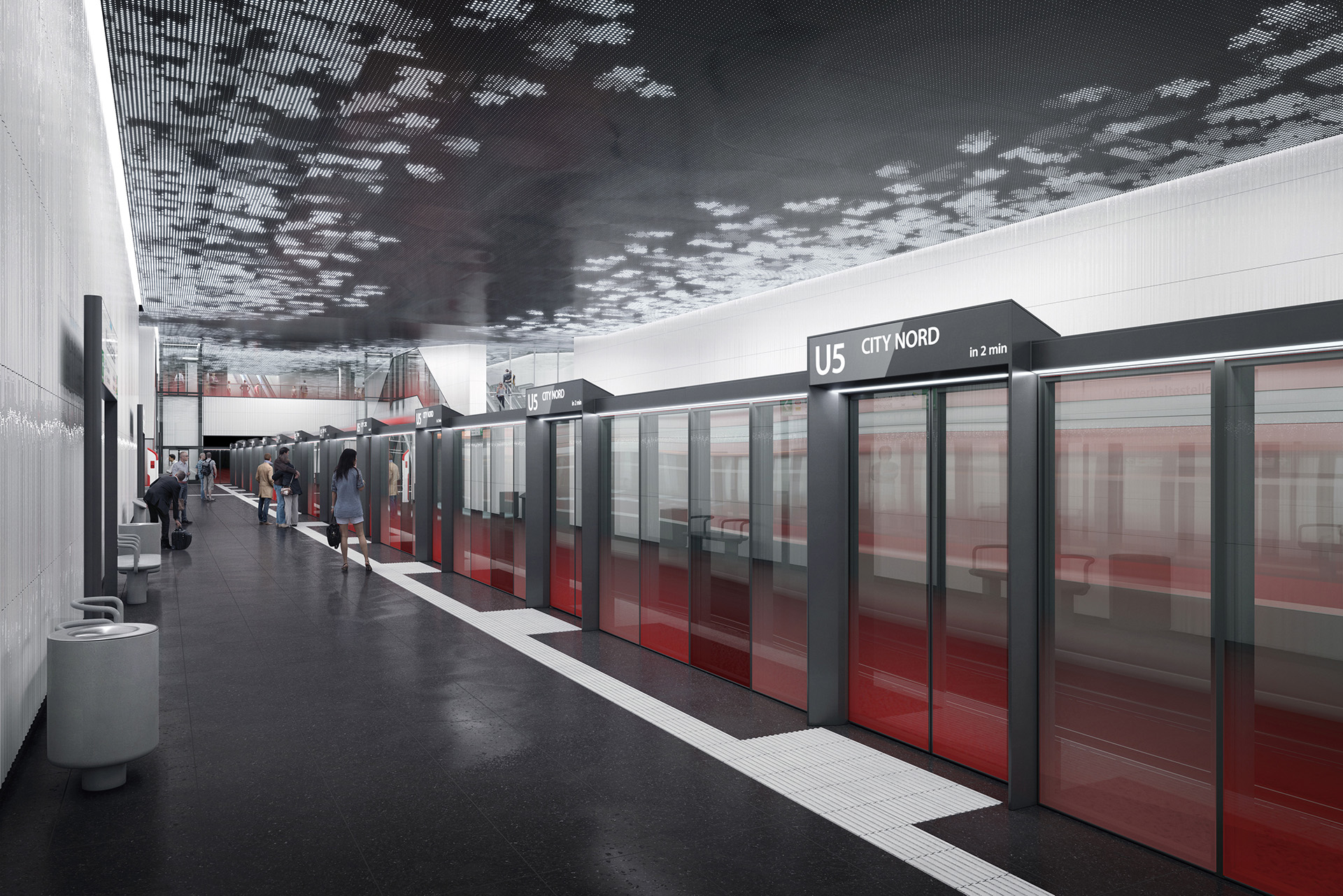
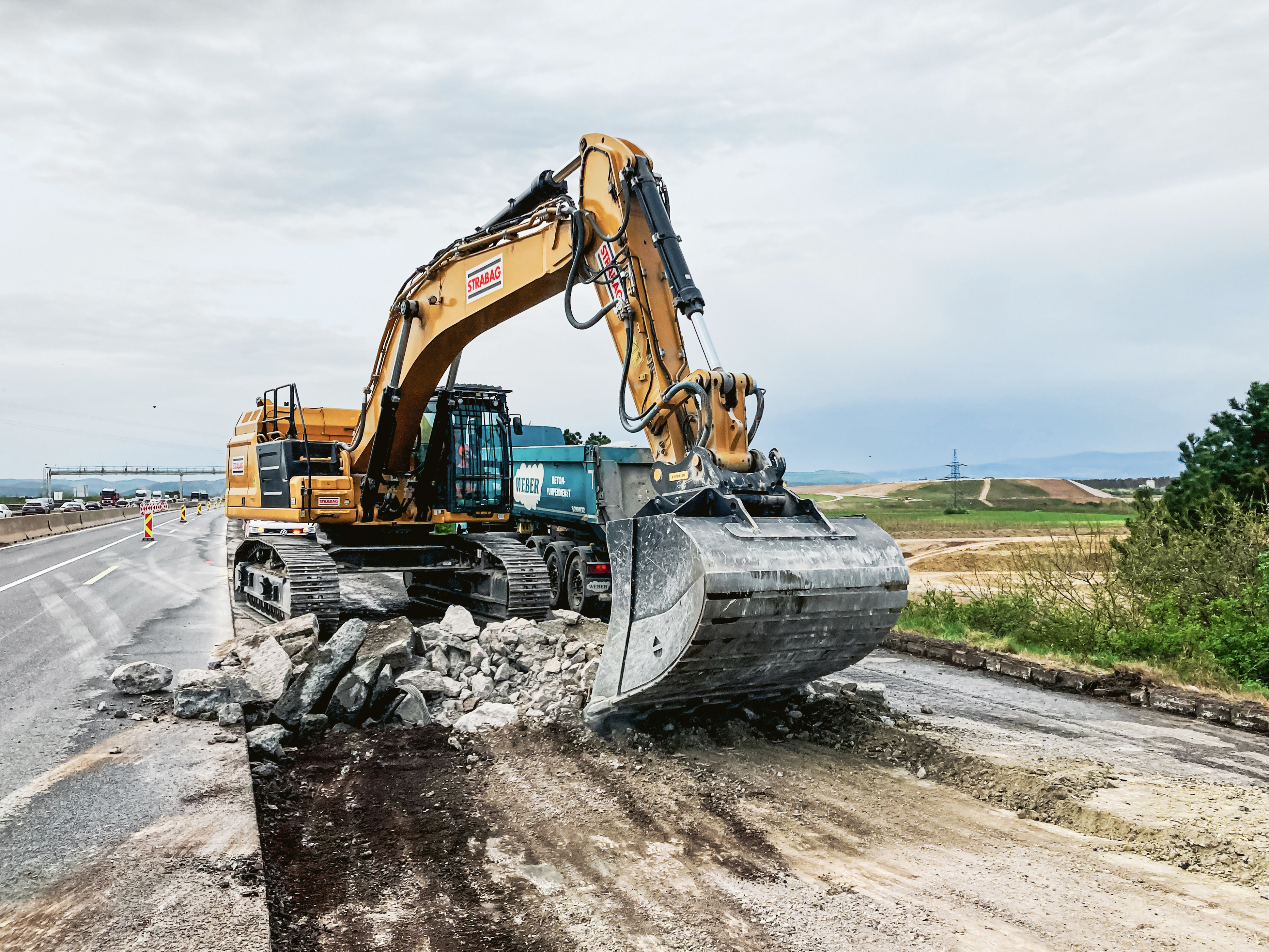
Roads will remain a key part of mobility in Europe. But the backlog of infrastructure repairs is enormous. In Germany alone, around 25,000 kilometres of long-distance roads need to be repaired or renewed. STRABAG works with clients on resource-efficient solutions such as asphalt recycling to keep raw materials in circulation on a large scale. We are also advancing innovative mobility concepts, for example by testing inductive charging systems for electric vehicles together with Electreon. Modern, connected transport infrastructure is an important foundation for the sustainable mobility of tomorrow. Take, for example, the new U5 subway line in Hamburg, which - with its fully automated operation - is set to become a key element of the mobility transition in the Hanseatic city: STRABAG subsidiary ZÜBLIN is playing a leading role in the construction of one of Germany’s largest ongoing public transportation infrastructure projects.
Making mobility more sustainable:
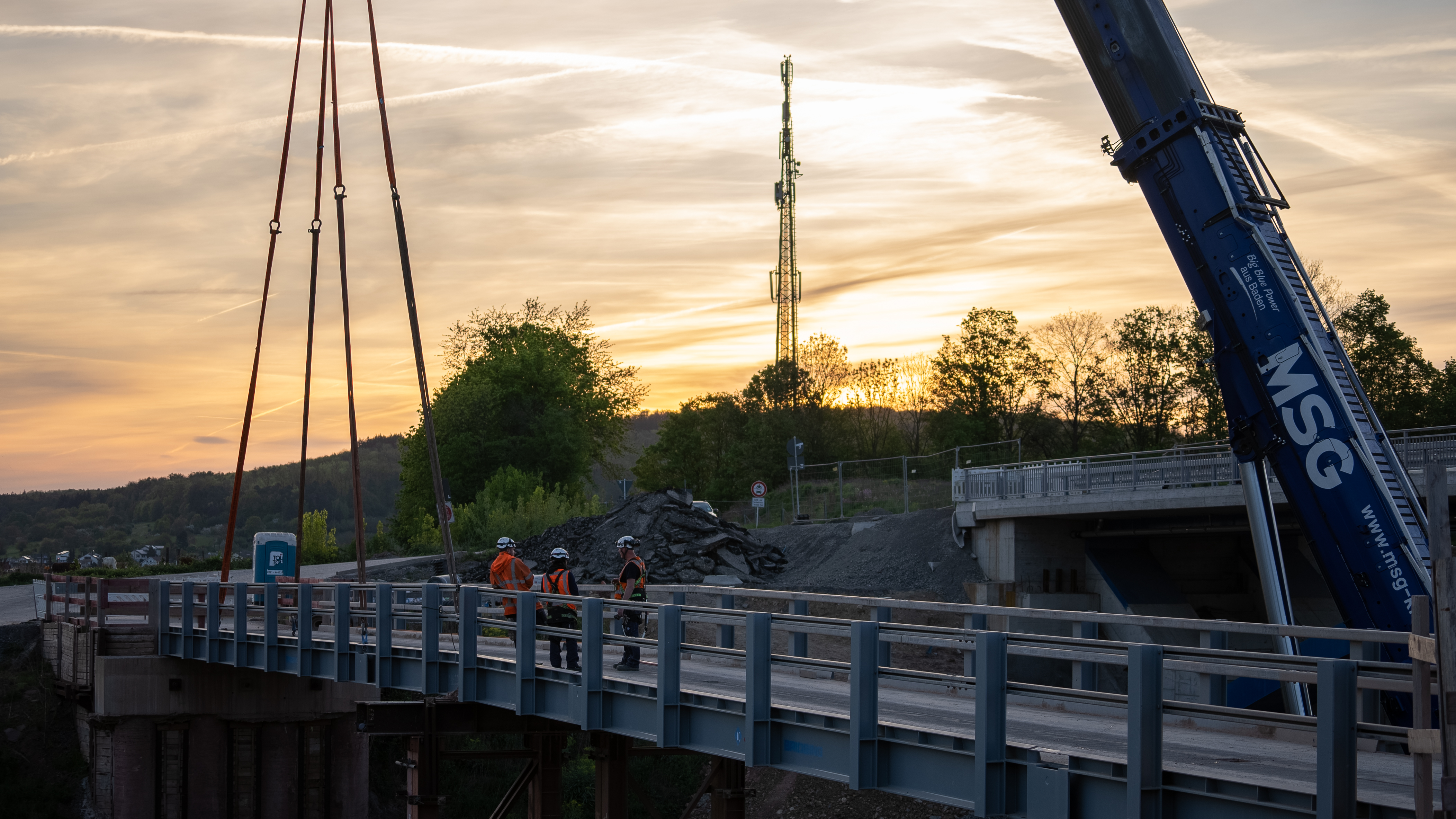
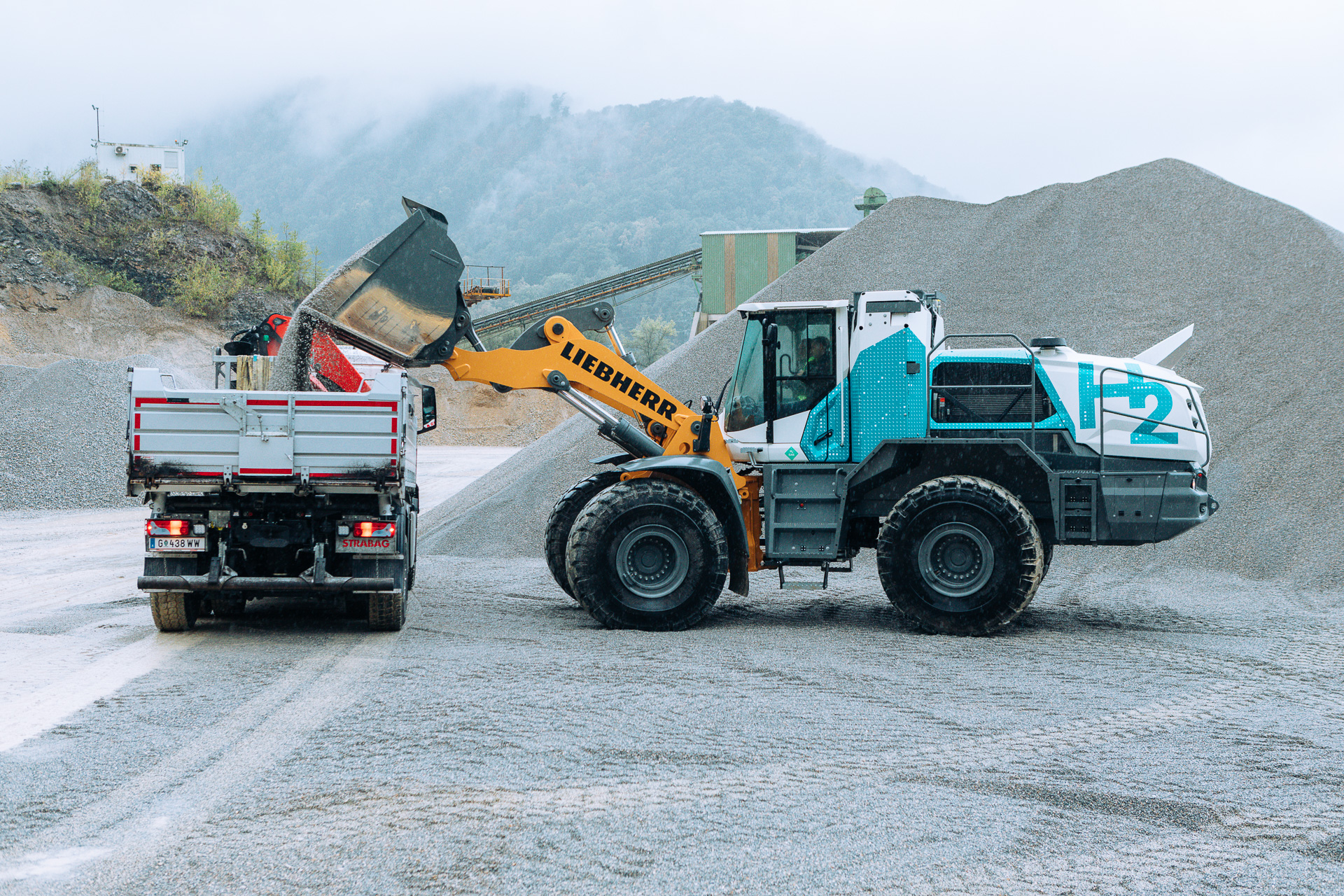
People and goods should continue to be transported reliably, safely and in a climate-friendly manner in the future. This requires new approaches to the construction, refurbishment and operation of infrastructure. These examples illustrate what sustainable mobility looks like in practice.
-
-
-
-
-
-
Frequently asked questions about sustainable mobility
-
What is sustainable mobility?
Sustainable mobility means moving people and goods in ways that reduce environmental impacts and conserve resources while meeting economic and societal needs. It includes climate-friendly modes of transport, high-performing infrastructure and innovative technologies.
-
Why is transport infrastructure so important for sustainable mobility?
Mobility depends on safe, high-performing roads, bridges and railways. Modernising and maintaining existing transport routes can improve traffic flows, reduce congestion and make more efficient use of resources. Sustainable mobility therefore starts with infrastructure that is fit for the future.
-
Why is upgrading existing infrastructure often more sustainable than new builds?
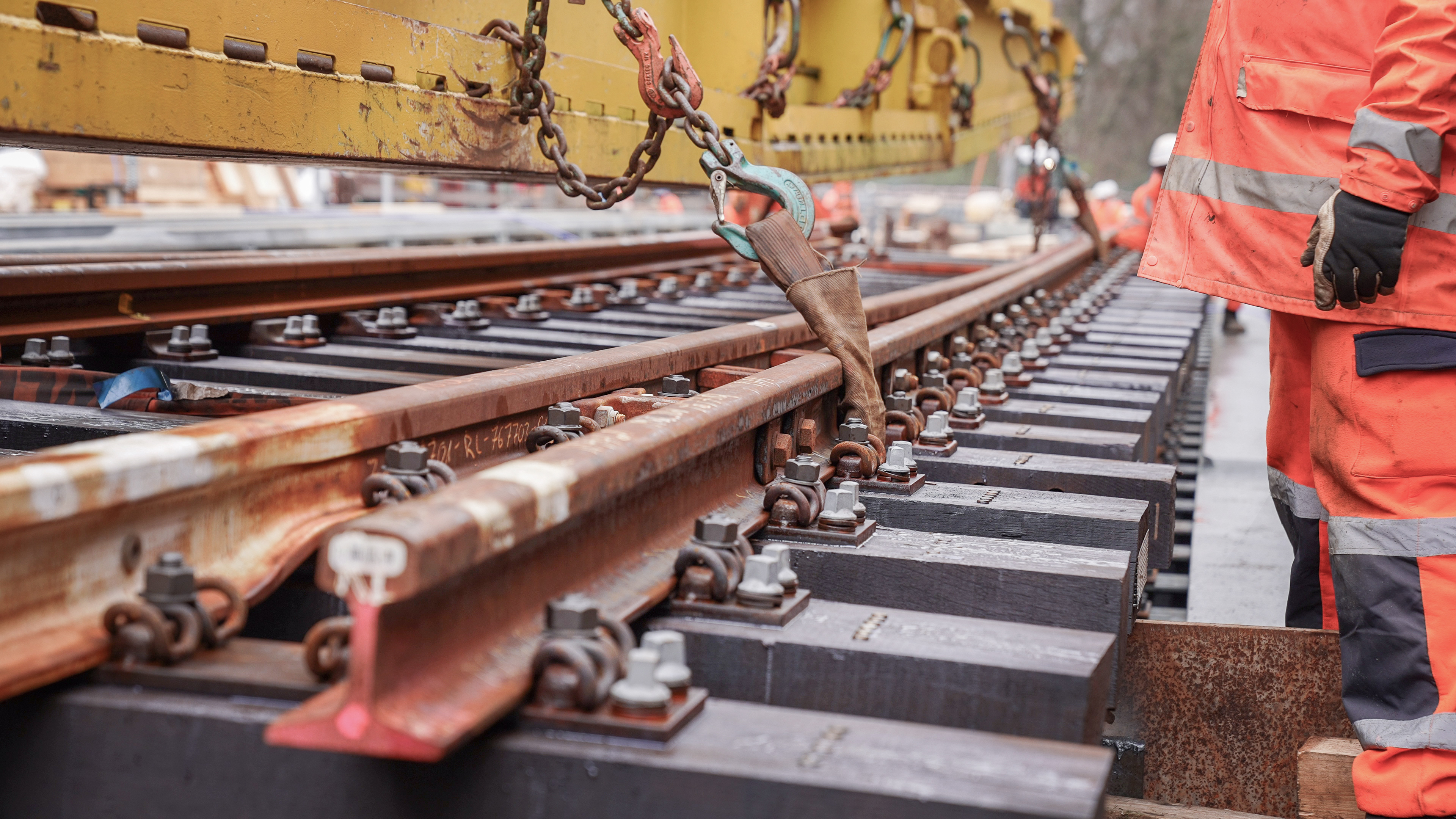
Modernising existing roads, bridges and railways makes use of structures that are already in place and often saves materials, energy and land. At the same time, infrastructure can be adapted to current requirements and made more efficient and resilient over the long term.
-
What role does public transport play in the mobility transition?
Attractive public transport reduces pressure on roads, lowers emissions and provides an efficient alternative to private car use. Investment in modern underground, tram and rail networks is therefore an important building block for sustainable mobility.
-
What role does the circular economy play in transport infrastructure construction?
The circular economy is about keeping materials in use for as long as possible. In transport infrastructure construction, asphalt, concrete, excavated material and other construction materials can be processed and reused. This conserves resources and reduces waste.
-
How does STRABAG contribute to sustainable mobility?
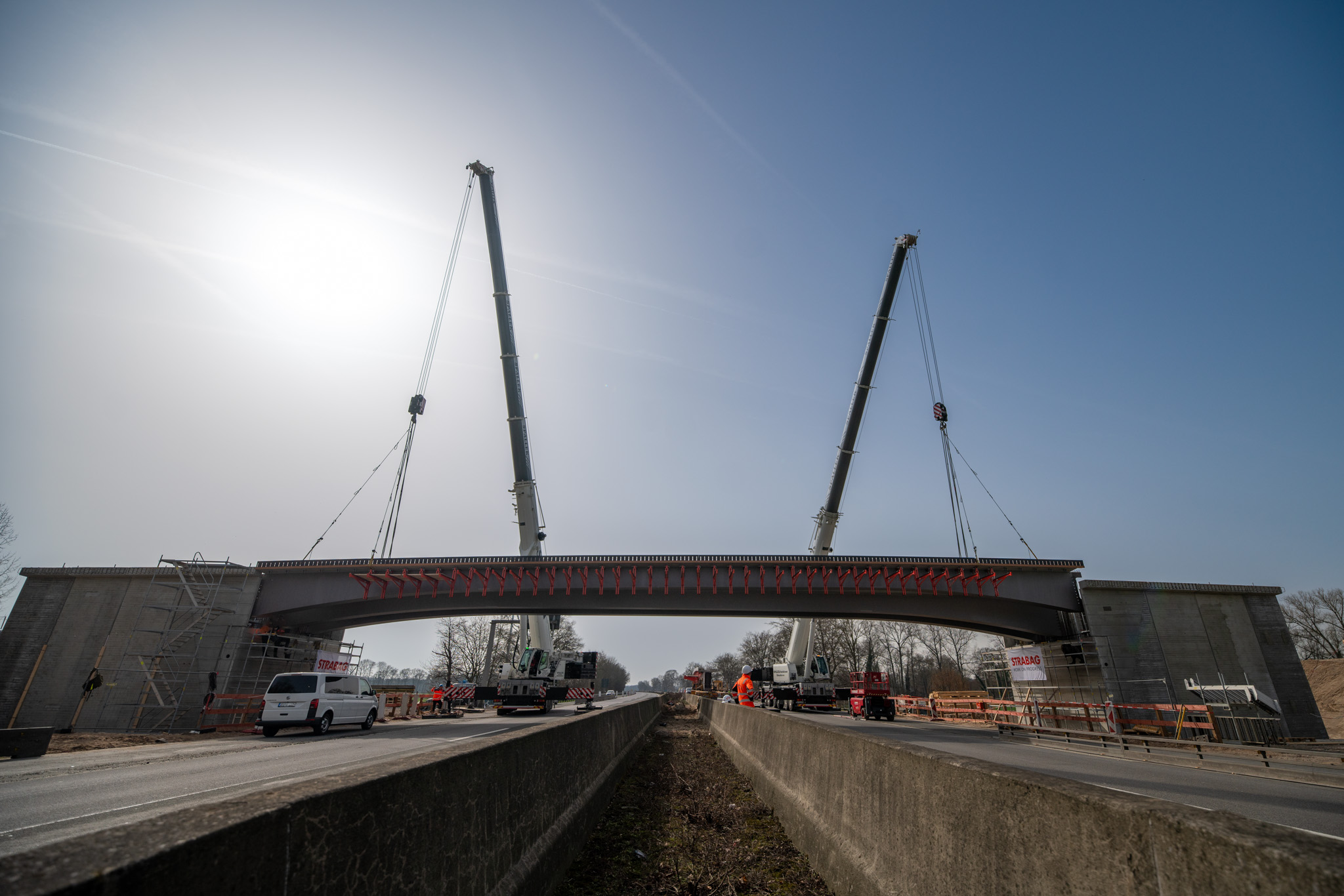
STRABAG develops and delivers infrastructure projects that combine sustainability with performance. This includes the rehabilitation of roads and railway lines, resource-efficient recycling solutions, innovative bridge concepts and support for climate-friendly mobility projects. The aim is to create infrastructure that remains efficient, resource-conscious and future-proof over the long term.
Discover all the flagship projects
Sustainable mobility is only part of the solution. Find out more about our contributions to the future of Europe.
Take me to ‘Progress’