Making the energy transition happen
Why do we need the energy transition?
Almost 60% of the energy consumed in Europe is imported from outside the EU. This leaves Europe dependent not only on other countries, but also on nuclear power and fossil energy sources such as coal. And even when renewable energy is generated within the EU, the capacity needed to store green electricity is lacking. At the same time, the infrastructure needed to distribute that electricity is not being modernised quickly enough. In Germany, for example, outdated grids mean that green electricity does not always reach the places where it is needed. Industry, too, faces challenges with processes that consume large amounts of energy but are difficult to electrify.
We are building the infrastructure for a secure energy future
Where STRABAG is already making a difference
How do we make the energy transition happen?
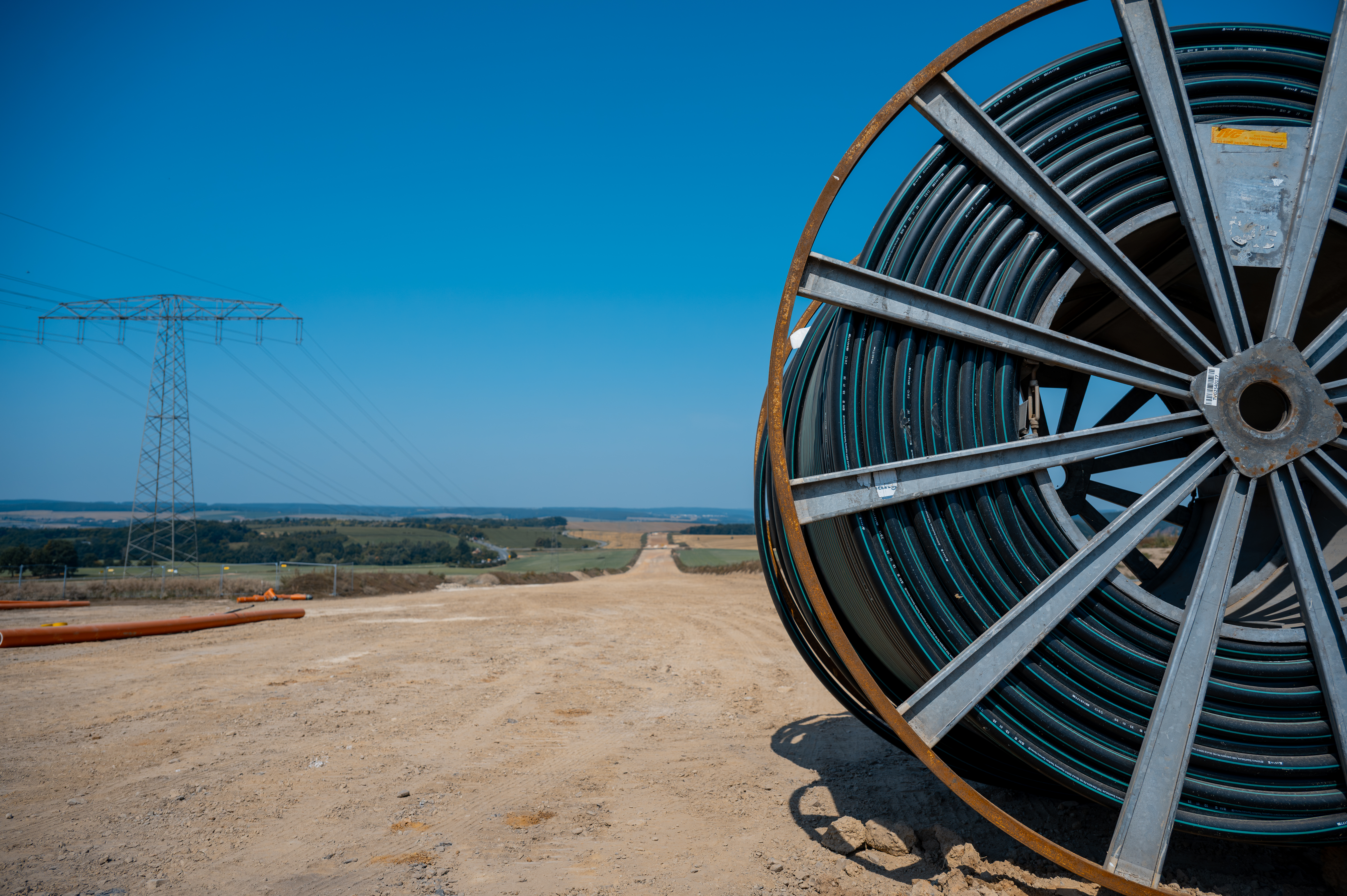
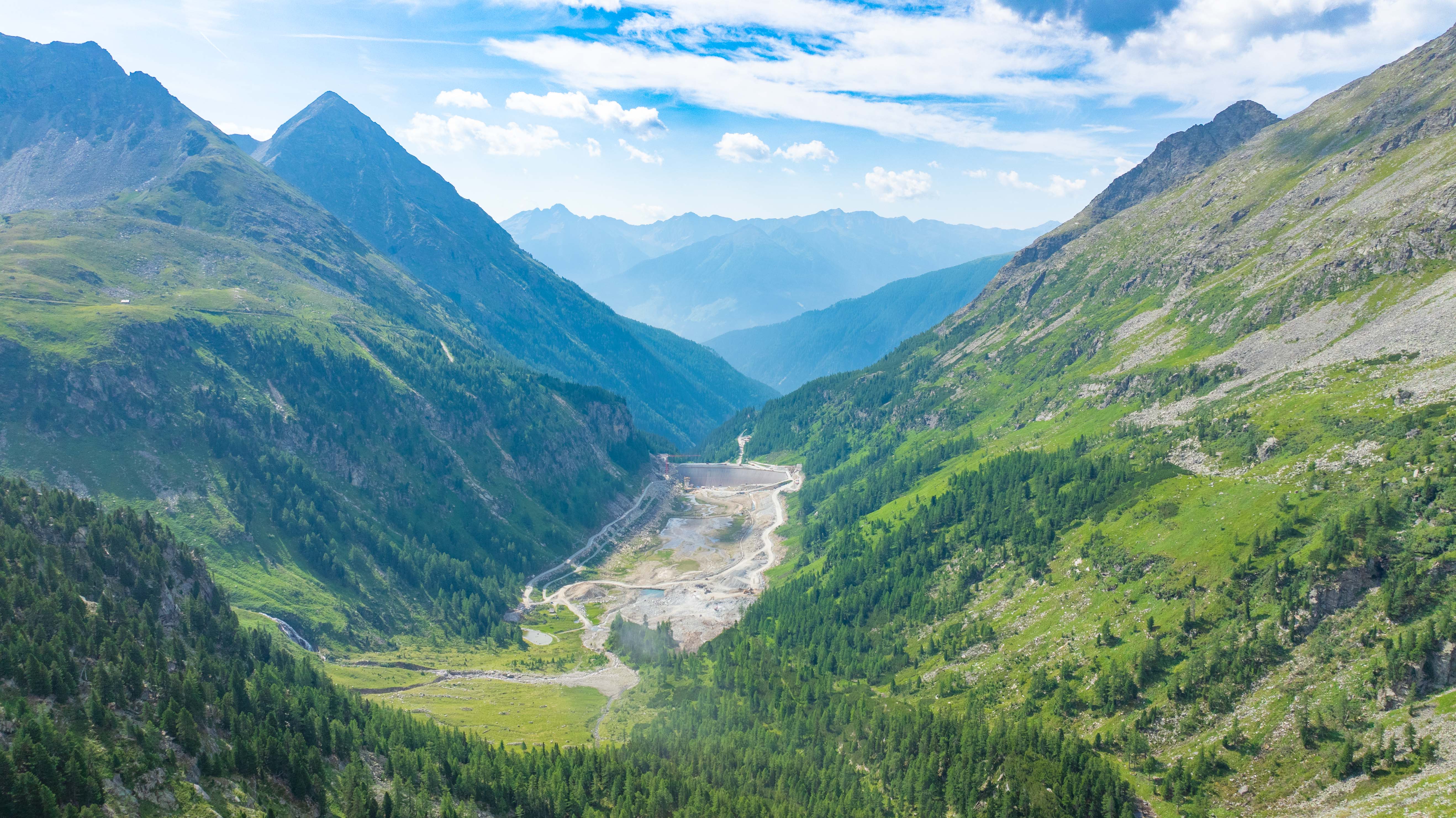
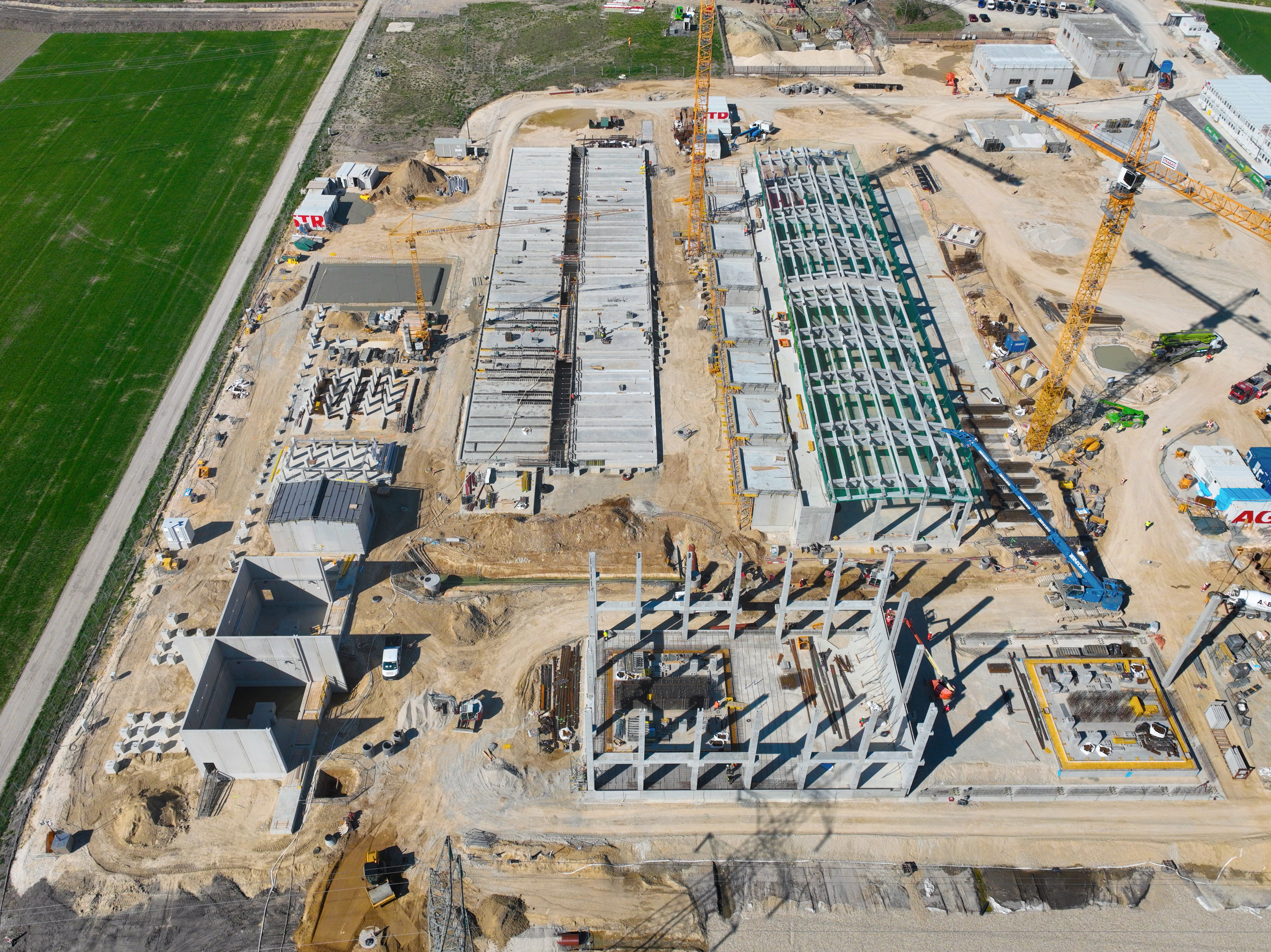
A range of measures is needed to fully harness the potential of renewable energy, including expansion, modernisation and storage. Find out more about our projects.
-
-
-
Frequently asked questions about the energy transition:
-
Why do we need to expand renewable energy?
The energy transition is an important means of helping the EU achieve its climate targets. Energy from renewable sources produces significantly fewer CO2 emissions than fossil fuels. Resources such as wind and sunlight are also available in virtually unlimited quantities. Expanding renewable energy and the infrastructure it requires offers many advantages. The most important are that Europe becomes less dependent on fossil fuel imports while conserving natural resources.
-
What does modern energy infrastructure look like?
A robust infrastructure is essential if renewable energy is to be used on a broad scale. Only then can electricity reach the places where it is needed. Generation, storage and distribution need to work together efficiently, including for new technologies. Hydrogen, for example, is expected to play a much greater role in the future. This will require not only additional production facilities, but also the corresponding infrastructure.
-
Why is energy storage important?
Storing sustainable energy is at least as important as generating it. Energy supplies also need to be secure on cloudy days and when there is little wind. Electricity storage will therefore play an important role in both the energy transition and grid stability. It makes energy available when it is needed while helping to keep supplies secure and affordable.
Discover all the flagship projects
Renewable energy is only part of the solution. Find out more about our contributions to the future of Europe.
Take me to ‘Progress’